When people search for “bamboo panels,” they usually picture one thing—something natural, warm, and exotic. But on store shelves, three different materials go by this name, and they have very little in common. And more often than not, people end up buying something completely different from what they imagined. So, here’s a brief and honest overview: what each one is, how much it costs, and what to look for.
First: large "bamboo-look" sheets are made of plastic
What is advertised as “bamboo panels” in large sheets (1,220 mm wide, 700 UAH per square meter and up) is actually a PVC composite. Inside, it’s a mixture of bamboo and wood flour with polyvinyl chloride, and a film with a printed pattern resembling wood, marble, or concrete is affixed to the top. The bamboo here isn’t what you see and touch—it’s inside, acting as a filler. What’s on the surface is just a print.
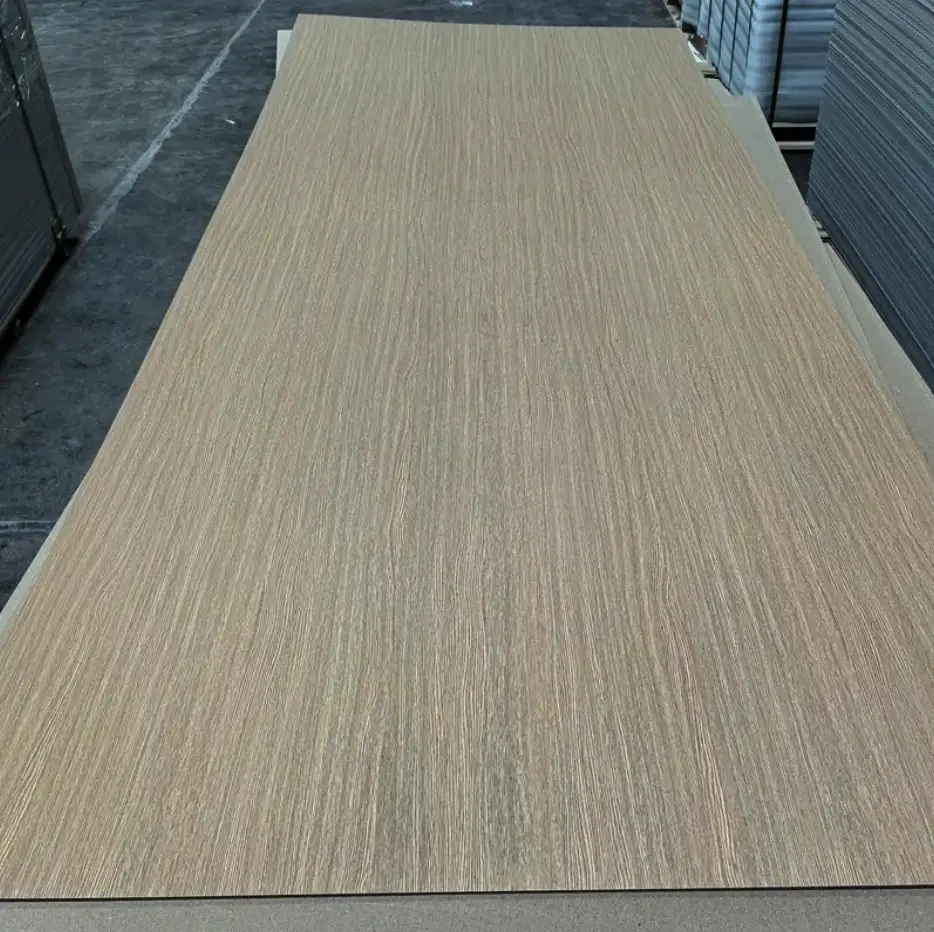
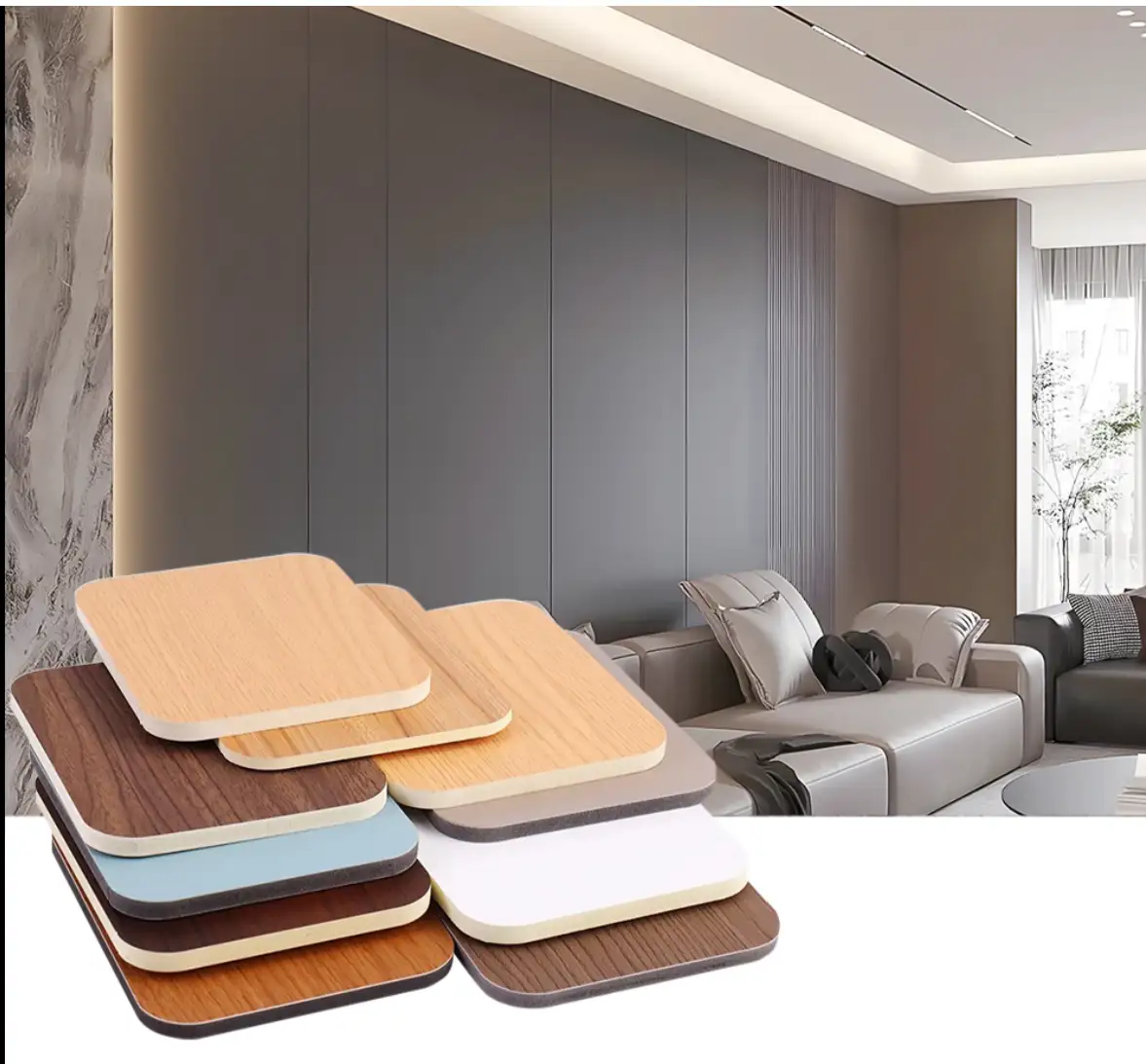
It may sound like a criticism, but it’s actually a practical material. It’s water-resistant, so it’s suitable for the bathroom and kitchen. It’s lightweight, installs without dust or “wet” processes, and bends easily at the corners. For a quick, budget-friendly renovation, it’s a decent choice. Just keep in mind: the “eco-friendly natural bamboo” you see in ads is more than half plastic. And the texture is printed, although it can look quite convincing and even presentable. It all depends on the print quality.
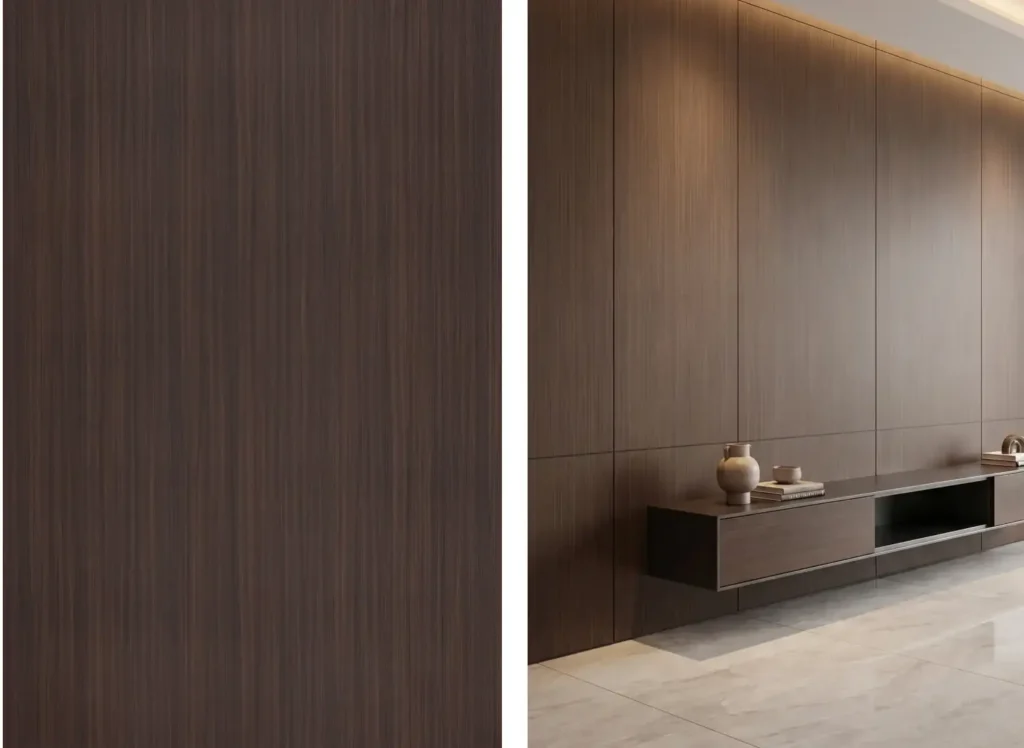
Second: 3D "bamboo-look" self-adhesive film—it's even easier
Small 50×50 or 70×70 cm squares, priced at 70–135 UAH each, that stick on like stickers—that’s a whole different story. It’s a foam material with a film backing—soft and lightweight—designed for temporary or very inexpensive decor. It has absolutely nothing to do with wood.
Third: Real bamboo is a niche product and costs more
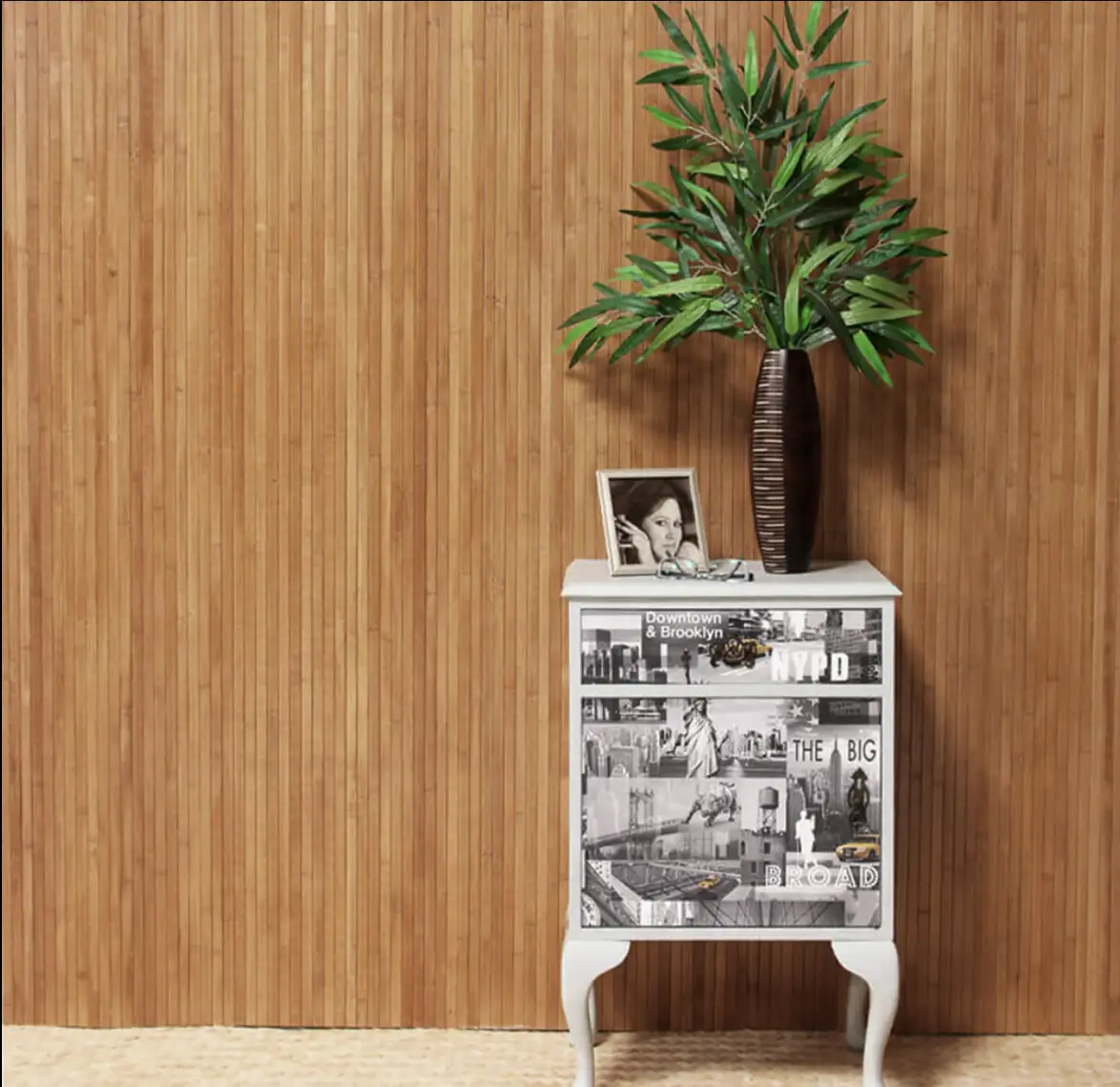
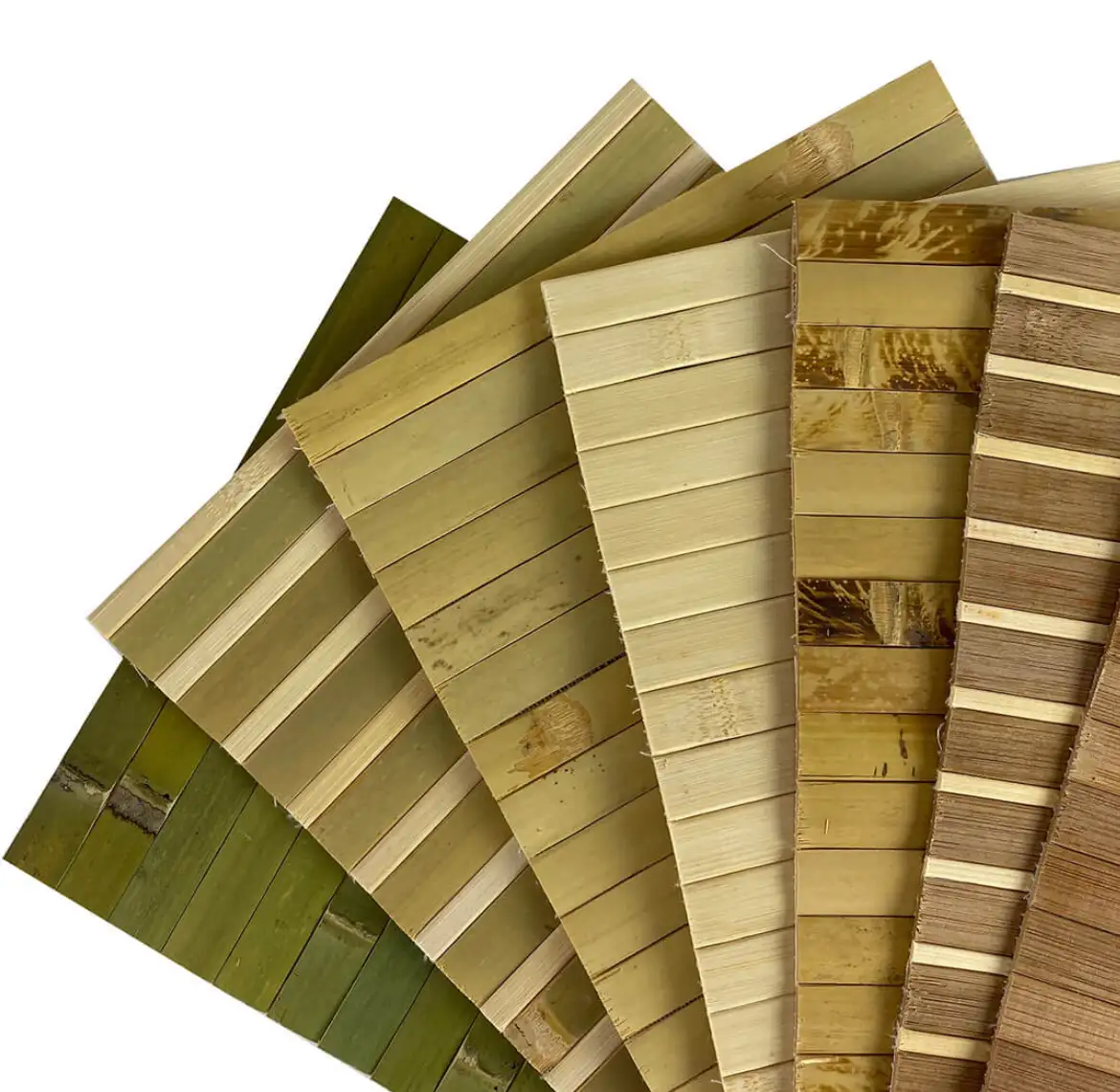
Natural bamboo is also available—in the form of “tes” and bamboo wallpaper: thin strips of real bamboo stems glued to a backing and sold in rolls. It has a distinctive, tropical look and is very durable. However, it’s suited to a narrow range of styles—Japanese, ethnic, and exotic interiors—and costs significantly more because the material is imported and assembled by hand.
And if you were specifically looking for “natural—what are the options?”
Here’s the key point. When many people search for “bamboo panels,” they’re not actually looking for bamboo—but rather a natural, warm material for their walls, free of plastic and imitations. It’s just that bamboo is the first thing that comes to mind.
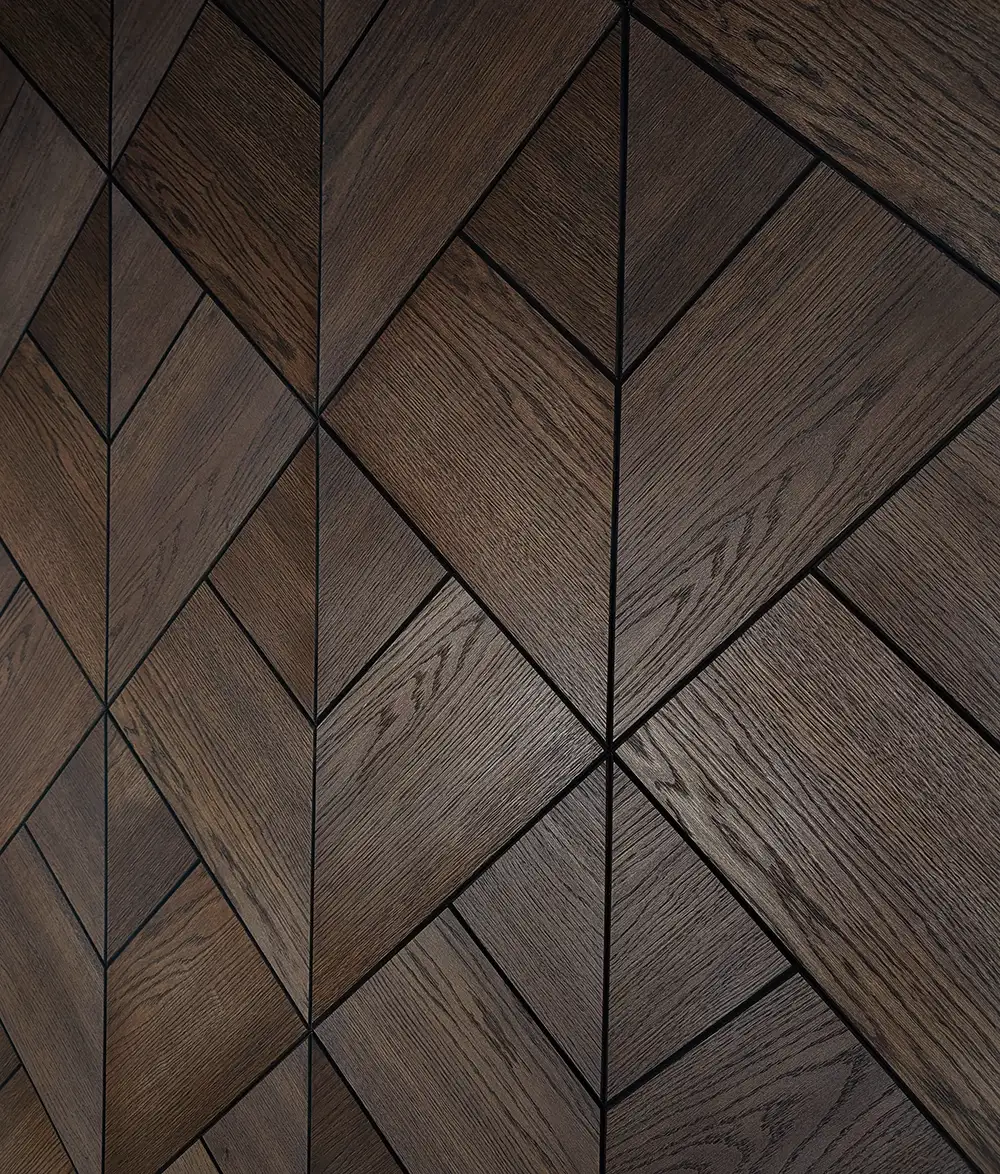
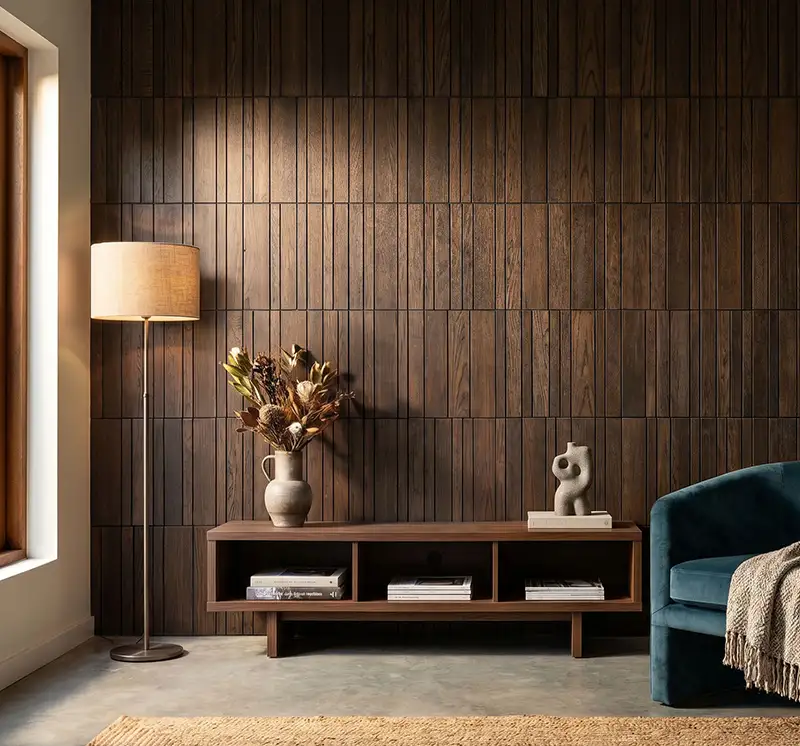
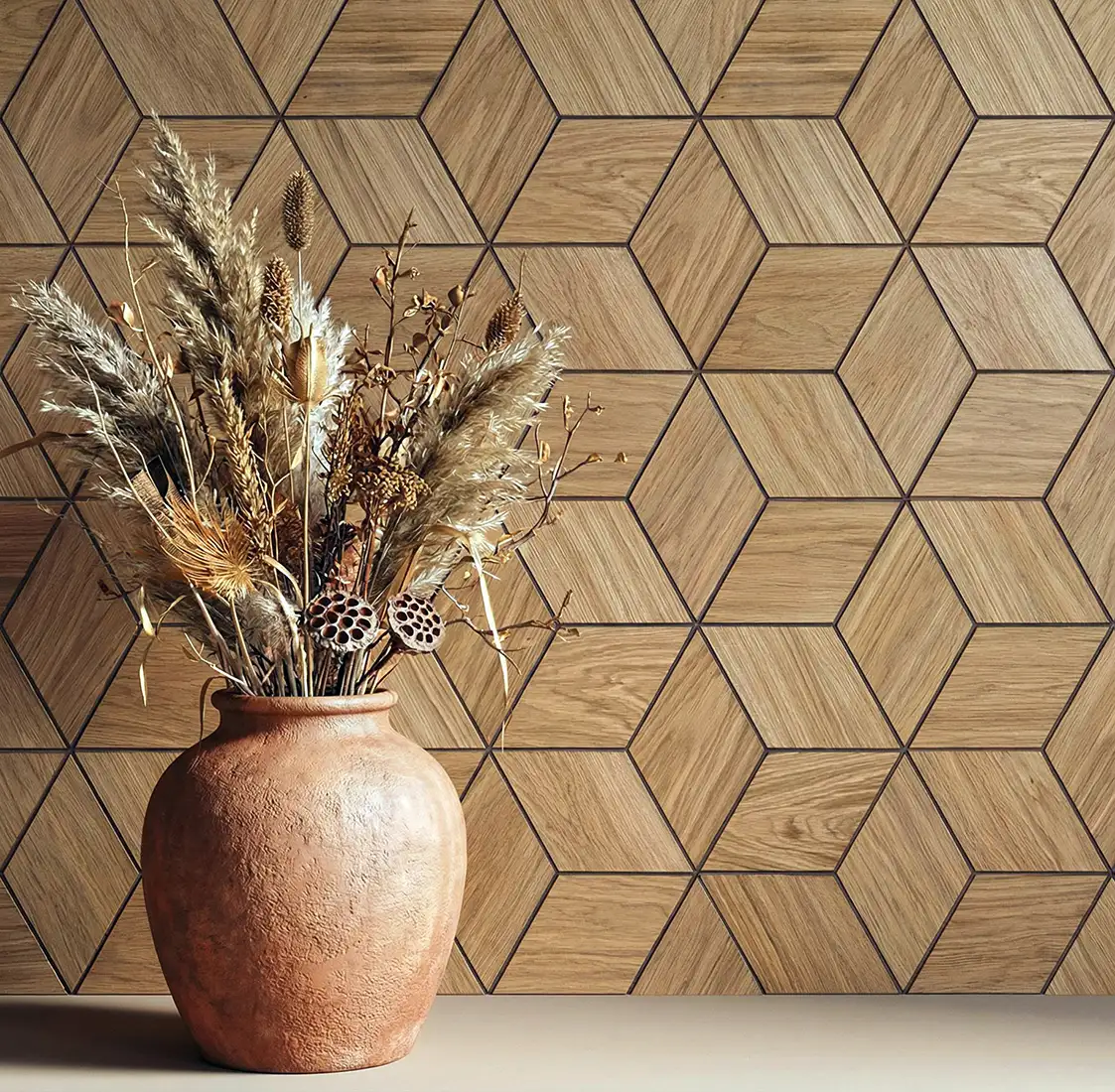
If this applies to you, there’s another option you should know about that doesn’t usually come up in this context: panels made of natural wood veneer, known as “veneered panels.” These consist of an MDF core with a thin layer of real oak or ash glued to it and finished with oil. The surface you see and touch is real wood with its own texture, not a print on a film. It’s more expensive than plastic bamboo and isn’t suitable for wet areas—but it’s real wood, and it looks the part.
That’s exactly the kind of panels we make at ScandiWall—so, in fact, this article isn’t entirely selfless. But that doesn’t change the bottom line: bamboo composite, self-adhesive panels, or real wood veneer—they’re all different, and they cost different amounts. The important thing is that you end up with exactly what you wanted on your wall.